Introduction
Mornings with toddlers can feel rushed, emotional, and unpredictable. From getting dressed to leaving the house, even simple routines can become challenging. However, with the right strategies, mornings can transform into calm, confidence-building experiences rather than daily struggles.
By fostering independence, predictability, and respect for a toddler’s abilities, families can create smoother mornings that support emotional well-being and self-confidence.
Understanding the Toddler Mindset
Toddlers are in a critical phase of development. They crave independence but still rely heavily on adult support. When rushed or overwhelmed, frustration often shows through tears or resistance.
Recognizing this balance between autonomy and guidance is the first step toward calmer mornings.
Why Mornings Feel Difficult?
Several factors contribute to morning stress:
- Limited time
- Transitions between activities
- Sensory sensitivities
- Desire for independence
- Fatigue or hunger
Addressing these factors thoughtfully can reduce emotional overload.
Creating Predictable Morning Routines
Consistency provides toddlers with a sense of security.
Visual and Verbal Cues
Using simple verbal reminders or visual schedules helps toddlers understand what comes next. Predictability reduces anxiety and resistance.
Same Order, Same Rhythm
Repeating the same sequence each morning—wake up, get dressed, eat, brush teeth—creates familiarity and confidence.
Encouraging Independence Step by Step
Independence doesn’t mean doing everything alone. It means participating meaningfully.
Dressing with Confidence
- Offer clothes choices the night before
- Use easy-to-manage clothing
- Allow extra time for self-dressing
Even small successes boost confidence.
Self-Care Participation
Let toddlers help with brushing teeth, washing hands, or packing a bag. These moments build pride and capability.
Preparing the Environment
A toddler-friendly environment reduces frustration.
- Low hooks for bags
- Accessible clothing
- Shoes placed near the door
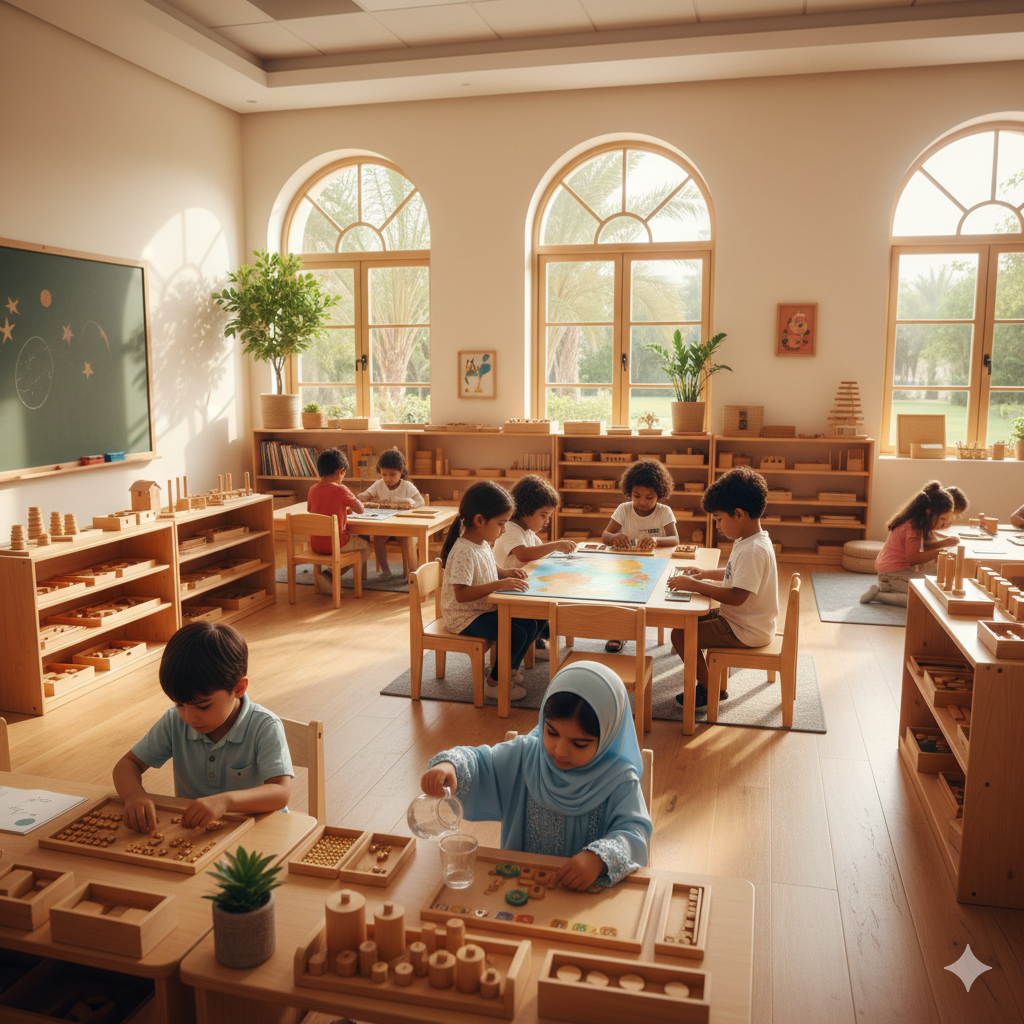
- Child-sized furniture
When children can reach what they need, cooperation increases naturally.
Emotional Support During Transitions
Transitions are often the most challenging part of the morning.
Acknowledge Feelings
Naming emotions helps toddlers feel understood:
“I see you’re upset because it’s time to leave.”
Offer Calm Reassurance
Staying calm yourself helps regulate your child’s emotions.
Time as a Tool, Not a Pressure
Rushing often triggers resistance. Building extra time into the morning allows toddlers to move at their own pace.
Even 10 additional minutes can make a noticeable difference.
Building Confidence Through Trust
When toddlers feel trusted, they respond with confidence.
- Avoid unnecessary corrections
- Allow them to try before stepping in
- Celebrate effort, not perfection
Confidence grows through experience, not speed.
Preparing the Night Before
Calm mornings often start the evening before.
- Prepare clothes
- Pack bags
- Talk through the next day
- Maintain consistent bedtime routines
This reduces morning decisions and stress.
The Power of Connection
A few minutes of undivided attention in the morning can set a positive tone for the entire day.
Simple gestures like:
- A hug
- A shared breakfast moment
- Eye contact and conversation
help toddlers feel secure and cooperative.
When Mornings Still Feel Hard?
Not every morning will be calm—and that’s okay. Toddlers are learning emotional regulation, and some days will be more challenging than others.
Patience, flexibility, and consistency over time are key.
Conclusion
Calm mornings aren’t about perfection—they’re about connection, preparation, and trust. By supporting independence and respecting a toddler’s developmental needs, families can create mornings that feel smoother, more joyful, and confidence-building. Over time, these small daily routines lay the foundation for self-assured, capable children.