Introduction: Parenting in a Digital World
If you’re a parent in 2025, you already know the struggle: technology is everywhere. Tablets, smart toys, digital classrooms — even toddlers are navigating touchscreens with ease.
But with this convenience comes a challenge: how do we make sure our children stay grounded, social, and emotionally connected?
Modern parenting isn’t about eliminating screens — it’s about balancing them with real-world experiences that nurture creativity, mindfulness, and emotional intelligence.
1. Understanding the New Normal
Between remote learning, digital entertainment, and social media exposure, screen time has become woven into childhood. The average child under 10 now spends over three hours daily on digital devices.
But when left unbalanced, too much screen exposure can affect attention span, sleep quality, and emotional regulation.
The goal for today’s parents isn’t to fight technology — it’s to set healthy boundaries that teach children responsible digital habits.
2. Why Nature Time Matters More Than Ever
Amid growing digital saturation, the concept of “nature time” has become a powerful antidote. Time spent outdoors — even 30 minutes a day — helps children:
- Develop stronger immune systems
- Improve focus and reduce anxiety
- Strengthen motor coordination
- Build empathy and appreciation for the environment
Parents can make nature part of daily life by visiting local parks, starting small gardens, or encouraging outdoor chores and sensory play.
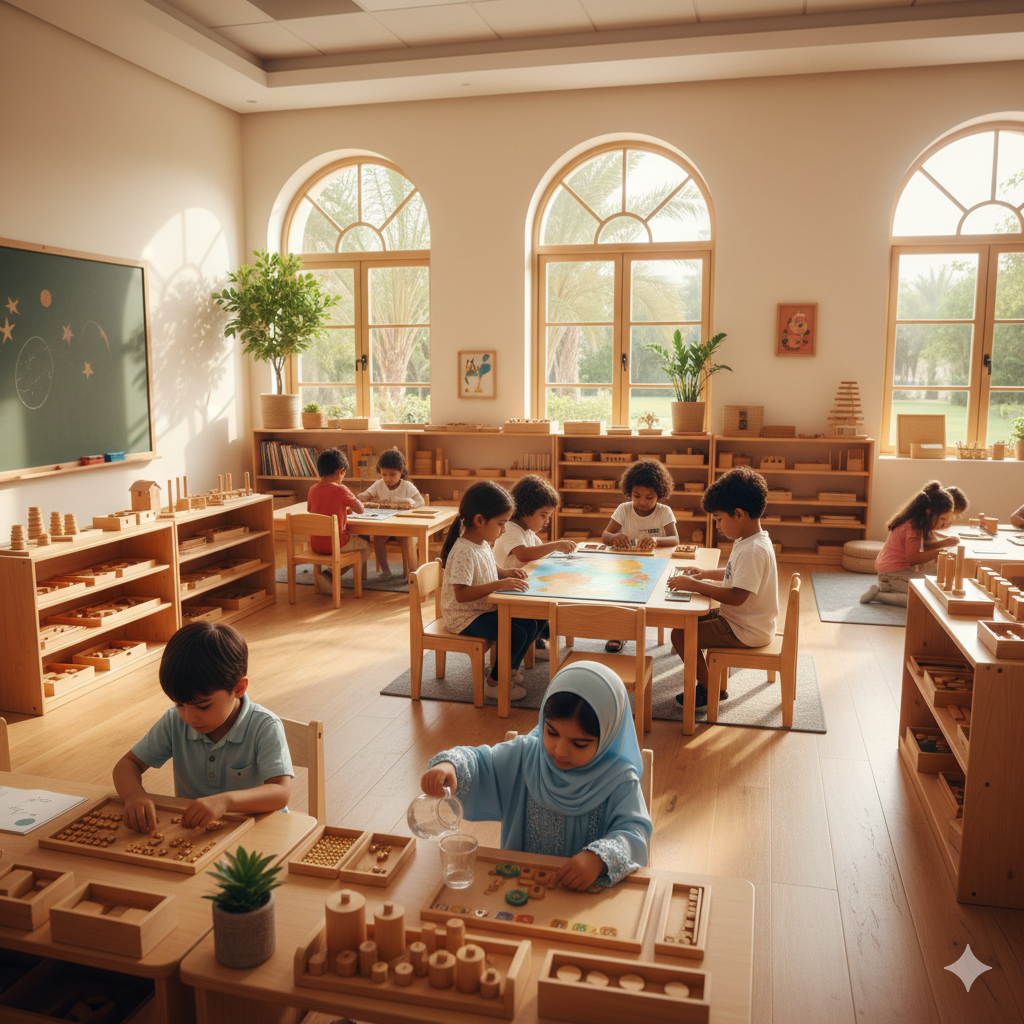
Montessori principles align beautifully here — letting children explore nature freely, touch the earth, and connect with living things builds responsibility and awe.
3. The Importance of Real Connections
In 2025, “real connections” are becoming a rare treasure. Between virtual interactions and busy family schedules, face-to-face bonding often takes a back seat.
However, emotional connection is the foundation of a child’s self-esteem and resilience. It’s built through shared routines, active listening, and undistracted presence.
A few mindful habits to strengthen connection:
- Tech-free family meals
- Storytime or shared journaling
- Nightly gratitude reflections
- Collaborative home projects like cooking or art
These moments remind children that relationships — not screens — are the true source of happiness and belonging.
4. The Montessori Perspective on Balance
Maria Montessori emphasized harmony between independence, exploration, and calm focus. Her philosophy offers timeless guidance for today’s tech-savvy families:
- Encourage autonomy by letting children manage their time responsibly.
- Foster curiosity through hands-on discovery instead of passive consumption.
- Maintain consistency — routines help children feel secure even in a digital world.
In short, Montessori parenting doesn’t reject modern life; it teaches balance, mindfulness, and purpose.
5. Practical Strategies for Screen–Nature Balance
Create Screen-Free Zones: Designate certain rooms (like the dining area) as device-free.
Use the 2:1 Rule: For every hour of screen time, offer two hours of offline play or outdoor exploration.
Set Digital Bedtimes: Avoid screens at least one hour before sleep to improve rest and emotional balance.
Introduce Nature Rituals: Weekly hikes, gardening weekends, or beach clean-ups can become family traditions.
Model the Balance: Children mirror adults — so unplug intentionally and let them see it.
6. Tech That Supports, Not Replaces
Not all technology is harmful. Educational apps, virtual museums, and online art classes can be incredible tools when used intentionally.
The key lies in co-viewing — engaging with your child during screen time, discussing content, and linking it to real experiences.
For example, after watching a video about space, you might build a paper rocket together or stargaze that night. This transforms screen exposure into meaningful, immersive learning.
7. Building Emotional Resilience in a Digital Era
Children growing up in 2025 face challenges we didn’t — information overload, social comparison, and reduced patience.
Parents can counter these effects by teaching mindfulness, empathy, and gratitude. Daily affirmations, nature journaling, and emotional check-ins help kids stay connected to their inner world.
8. The Future of Family Connection
Experts predict that by 2030, emotional intelligence will be one of the top skills determining success — more than IQ or technical knowledge.
Families that nurture empathy, communication, and presence today are preparing children not just for school — but for life.
The future belongs to those who can balance connection to the digital world with connection to the human heart.
Conclusion
Parenting in 2025 isn’t about perfection; it’s about awareness. Balancing screen time, nature time, and real connections isn’t easy, but it’s essential.
By combining the best of modern innovation with timeless Montessori wisdom, parents can raise grounded, compassionate, and curious children — perfectly equipped for a fast-changing world.