Introduction
Children are born curious. From the moment they begin to explore their surroundings, they show a natural desire to touch, question, observe, and understand the world around them. Yet, as children grow, this innate curiosity is often shaped—or limited—by how they are taught. Child-led learning offers an alternative to traditional, adult-directed education by placing the child’s interests, pace, and abilities at the center of the learning experience.
Rather than asking children to conform to a fixed curriculum, child-led learning encourages them to take an active role in their education. This approach nurtures independence, confidence, and a love for learning that extends far beyond the classroom.
What Is Child-Led Learning?
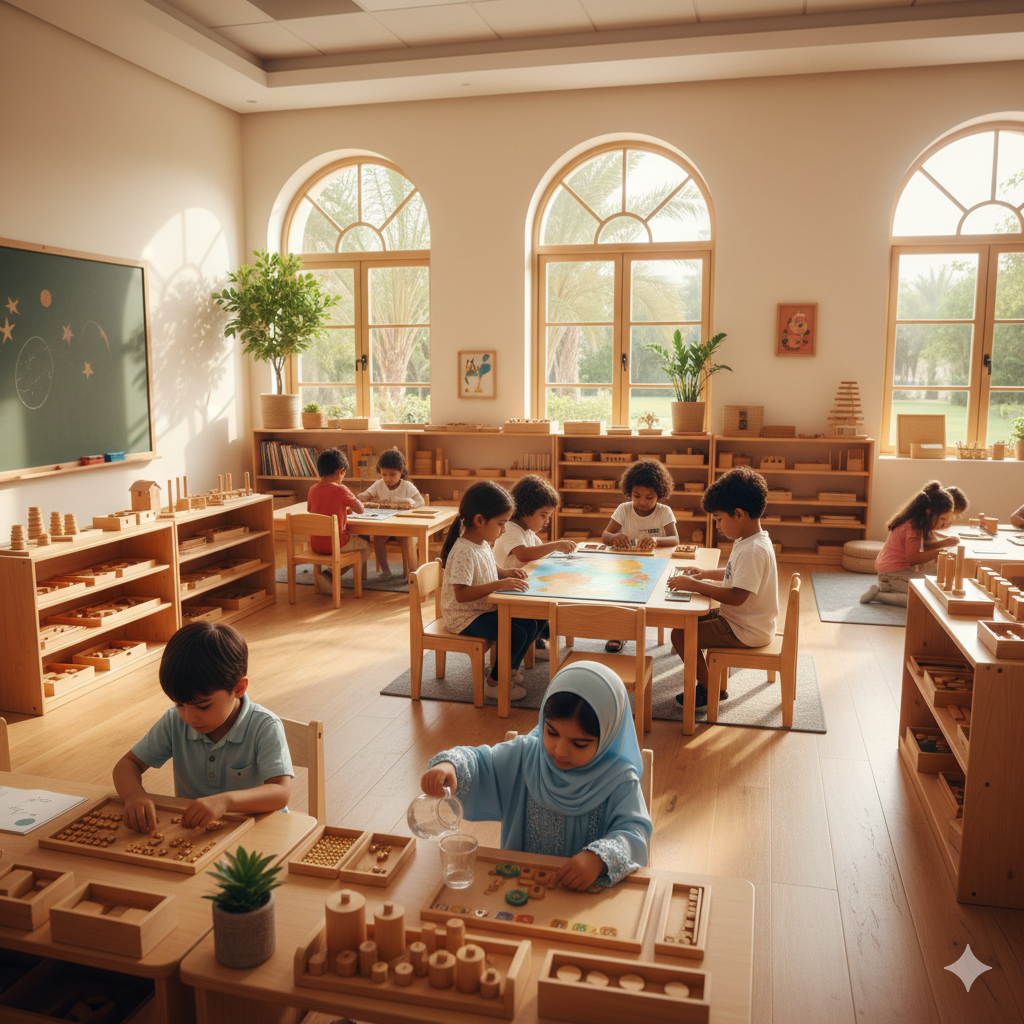
Child-led learning is an educational approach where children guide their own learning through choice, exploration, and intrinsic motivation. Adults act as facilitators rather than instructors, observing carefully and stepping in only when guidance or support is truly needed.
In a child-led environment:
- Children choose activities based on interest and readiness
- Learning unfolds at an individual pace
- Mistakes are viewed as part of the learning process
- Exploration is encouraged over memorization
This approach respects each child as a capable learner with unique strengths and curiosities.
How Child-Led Learning Builds Confidence?
Confidence grows when children feel capable, trusted, and respected. Child-led learning creates opportunities for children to experience success on their own terms.
1. Ownership of Learning
When children select their own activities, they develop a sense of ownership. Completing a task they chose themselves gives them pride and reinforces belief in their abilities.
2. Freedom to Try and Fail
In child-led environments, mistakes are not punished or rushed. Children are free to experiment, try again, and learn through repetition. This builds resilience and emotional confidence.
3. Independence and Decision-Making
Making choices—what to work on, how long to focus, when to move on—strengthens decision-making skills. Over time, children learn to trust themselves and their judgment.
Encouraging Natural Curiosity
Curiosity flourishes when children are allowed to ask questions and seek answers independently.
Exploration Over Explanation
Instead of being told how things work, children are encouraged to discover through hands-on experience. This deepens understanding and keeps curiosity alive.
Learning Driven by Interest
When learning aligns with a child’s interests, engagement becomes effortless. A child fascinated by numbers may spend extended time counting or sorting, while another drawn to language may explore storytelling or letters.
The Role of the Adult in Child-Led Learning
Adults play a vital but subtle role in child-led environments.
- Observer: Watching closely to understand the child’s interests and developmental stage
- Guide: Introducing materials when the child is ready
- Supporter: Encouraging effort without interfering
- Model: Demonstrating respect, patience, and curiosity
This balance ensures children feel supported without being controlled.
Building Lifelong Learners
Children who experience child-led learning often develop skills that extend well beyond academics.
Intrinsic Motivation
Rather than working for rewards or approval, children learn because they want to. This internal motivation becomes a powerful driver throughout life.
Focus and Concentration
When children engage in self-chosen activities, their ability to concentrate naturally increases. Over time, this builds sustained attention and deep focus.
Problem-Solving Skills
Child-led learning encourages children to think critically, try multiple approaches, and solve problems independently.
Social and Emotional Growth
Child-led environments also support emotional intelligence and social development.
- Respect for others’ work and space
- Collaboration through shared interests
- Empathy developed through observation and interaction
- Confidence in expressing needs and emotions
Children learn how to navigate social situations with calm and confidence.
Supporting Child-Led Learning at Home
Parents can encourage child-led learning in everyday life.
Simple Ways to Start:
- Offer limited, meaningful choices
- Create accessible spaces for play and exploration
- Allow uninterrupted time for activities
- Observe rather than intervene immediately
Small changes can have a significant impact on a child’s confidence and curiosity.
Conclusion
Child-led learning honors children as capable, curious individuals. By allowing them to guide their own learning journey, we nurture confidence, independence, and a lifelong love for discovery. When children are trusted to learn in their own way, they don’t just gain knowledge—they develop the skills and mindset needed to thrive in an ever-changing world.